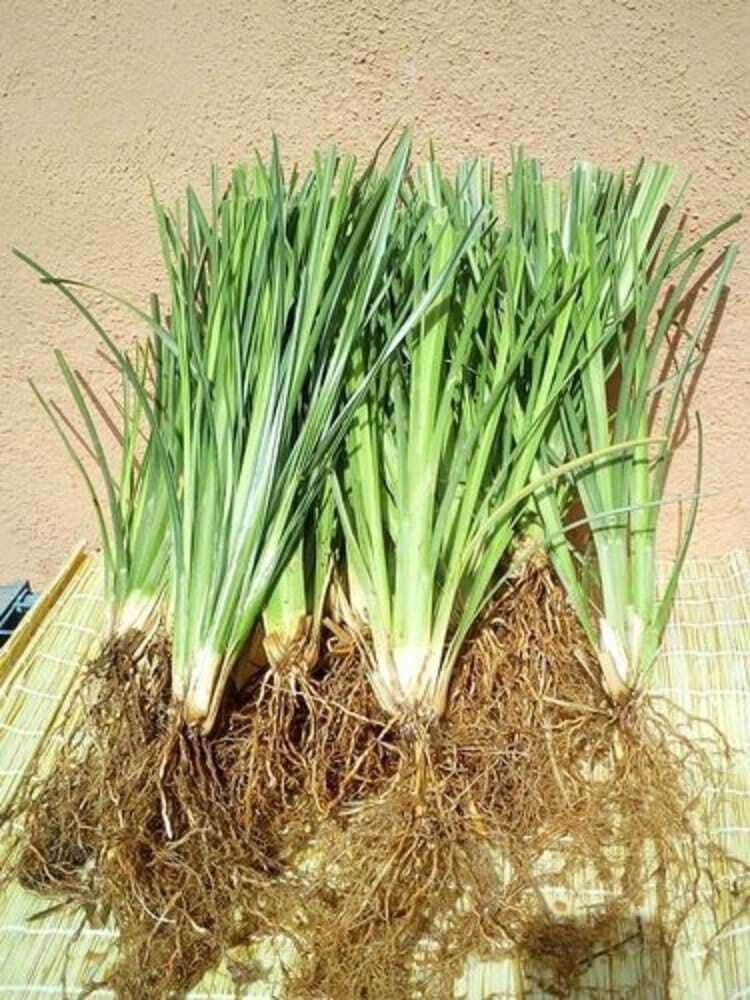
About Vetiver Grass Slips (Vetiver Planting Material)
Vetiver Grass (Chrysopogon zizanioides) is a perennial grass widely used for soil and water conservation, environmental protection, bioengineering, and agricultural purposes. It has a deep, strong root system that helps bind soil and reduce soil erosion.*Major Uses of Vetiver Grass1. *Soil Erosion Control Helps prevent soil erosion caused by rainwater and surface runoff.2. *Slope Stabilization Used to stabilize slopes, embankments, highways, railway tracks, and hill areas.3. *Riverbank Protection Helps protect riverbanks, canals, ponds, and drainage channels from erosion.4. *Bioengineering Projects Widely used in infrastructure projects for slope protection, land rehabilitation, and erosion control.5. *Mine Rehabilitation Suitable for stabilizing soil in mining areas and restoring degraded land.6. *Water Conservation Helps slow surface runoff and improve water infiltration into the soil.7. *Agricultural Applications Used for field bunds, farm boundaries, and soil conservation on agricultural land.8. *Phytoremediation Certain vetiver varieties can help absorb or tolerate some soil contaminants under suitable conditions.9. *Essential Oil Production Vetiver roots are used to extract aromatic vetiver oil for perfumery, fragrances, and related industries.10. *Environmental Restoration Helps restore degraded landscapes and supports sustainable land management.Superior Soil Erosion ControlVetiver Grass Slips form dense, fibrous roots that effectively bind soil, making them an excellent solution for erosion control on slopes, riverbanks, and degraded lands. Their natural resilience to soil pests and diseases ensures long-term stability and reduced maintenance for your projects.
Robust Growth and AdaptabilityWith a growth rate of 1-1.5 feet per month and high survivability, Vetiver Grass can thrive in a broad spectrum of climates, from humid to semi-arid. After establishment, the slips require only low to moderate watering, making them suitable for areas with varying rainfall.
Environmentally Friendly and NaturalOur Vetiver Grass Slips are 100% natural, non-GMO, and manually processed to maintain quality and eco-friendliness. They are a sustainable solution for soil conservation, land restoration, and landscaping without the use of chemicals or genetic modification.
FAQ's of Vetiver Grass Slips (Vetiver Planting Material):
Q: How should Vetiver Grass Slips be planted for optimal results?
A: To achieve the best results, plant Vetiver slips vertically with their roots fully covered in the soil. Ensure the planting site has a pH of 6.5-7.5, and water the slips regularly until they establish.
Q: What are the main uses of Vetiver Grass Slips?
A: Vetiver Grass Slips are primarily used for soil erosion control, plantation, landscaping, rehabilitation of degraded lands, and medicinal purposes due to their dense, soil-binding root system and eco-friendly nature.
Q: When is the best time to plant Vetiver Grass Slips?
A: The preferred planting seasons for Vetiver Grass are during spring and early monsoon, when moisture levels support rapid root establishment and growth.
Q: Where can Vetiver Grass Slips be used effectively?
A: Vetiver Grass Slips are suitable for planting on slopes, riverbanks, farmlands, gardens, and other areas requiring soil stabilization. Their adaptability allows them to thrive in various climates across India and similar regions.
Q: What is the propagation method and process for these slips?
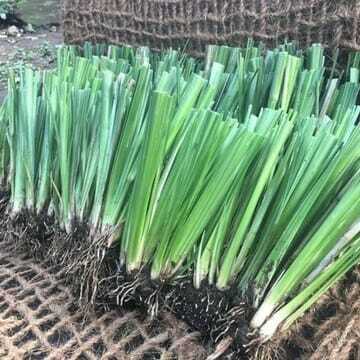
A: Vetiver Grass is propagated vegetatively via slips, which are manually uprooted and cleaned. Each bundle contains at least 50 slips, and the roots are kept moist to maintain viability during transport.
Q: What are the benefits of using Vetiver Grass Slips over other plants?
A: Vetiver offers high soil-binding capacity, rapid growth, drought tolerance, superior adaptation, high survival rates, and strong disease resistance-making it highly efficient for erosion control and eco-sustainable landscaping.
Q: How should Vetiver Grass Slips be stored before planting?
A: Prior to planting, store the slips in a moist, shaded environment. When stored correctly, they retain viability for 2-3 weeks, ensuring high survivability upon planting.




 Send Inquiry


 Send Inquiry
